All around us is plastic. From plastic soda bottles and plastic grocery bags to your plastic ID card, we see and use plastic every day. Much of this plastic comes from materials such as petrochemicals. Plastic can litter and pollute the environment. So it makes sense to reuse and reprocess plastic to avoid waste. Therefore, recycling plastic on used plastic recycling machines is a sustainable option in plastic production.
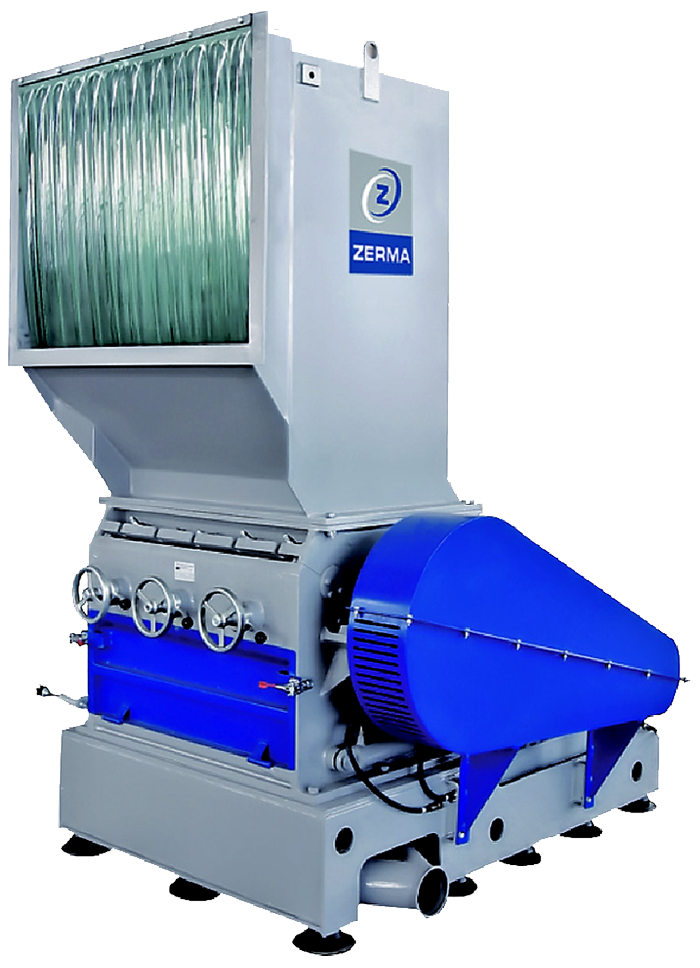
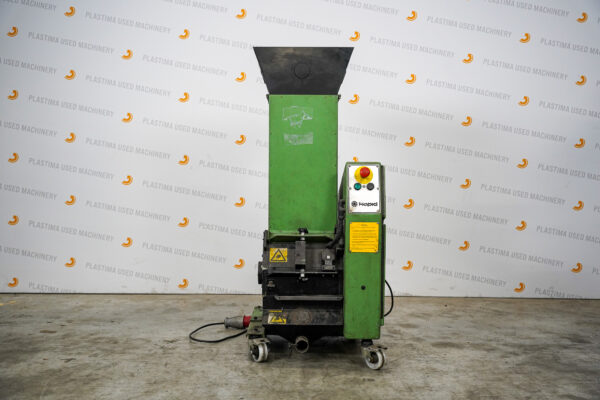
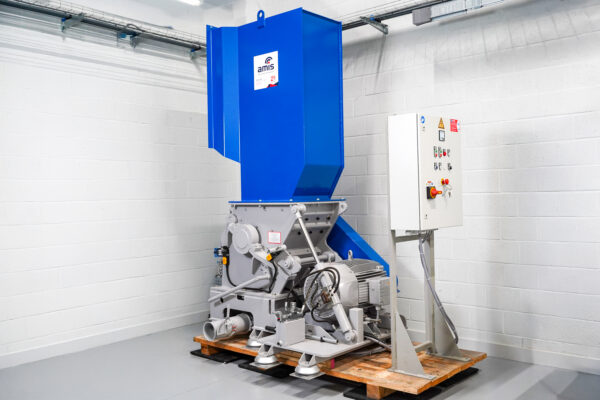
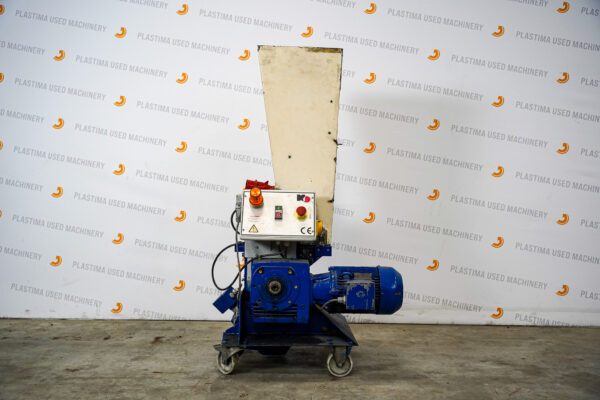
Recycling machines for used plastics play a crucial role in converting discarded plastics into reusable materials, and they include several components to accomplish this task. At the beginning of the recycling process, a conveyor belt transports the plastic waste into the machine. This is followed by a shredder or crusher, which breaks down large pieces of plastic into smaller, manageable sizes. Shredders usually use rotating blades, while crushers may use compression techniques.
Once the plastic is shredded, it must be cleaned often to remove contaminants such as dirt, food scraps and labels. This is where the wash tank comes in. After washing, a separation tank is used to separate different types of plastic based on their density. Some processes also use air classification systems or electrostatic separators for this purpose.
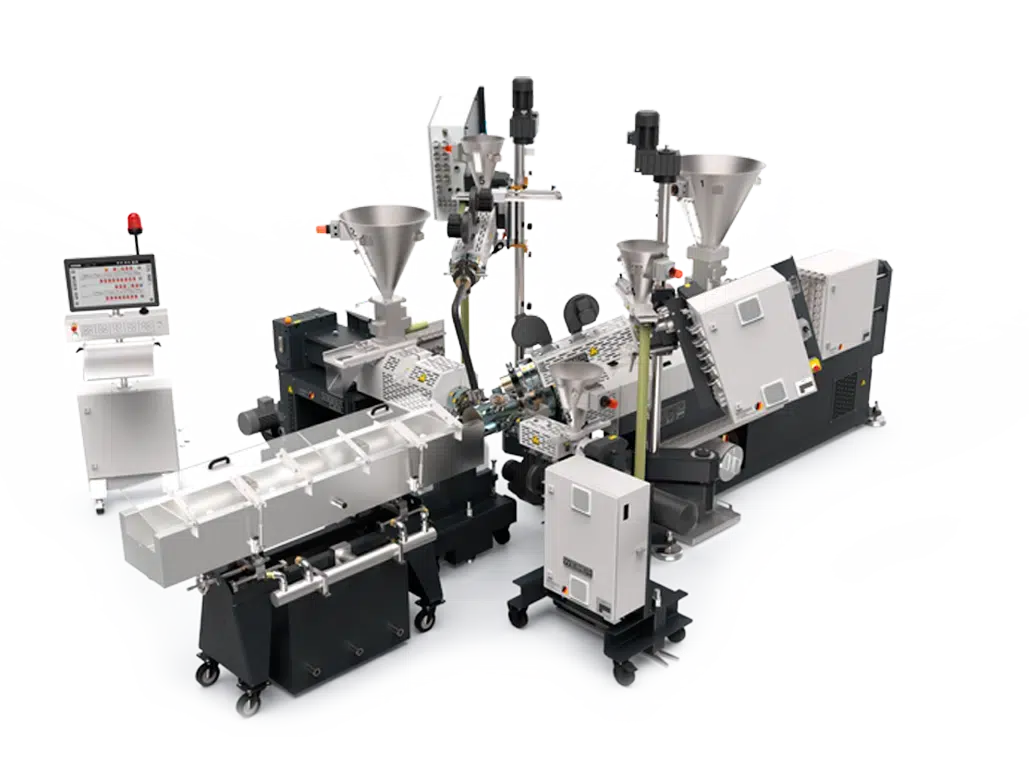
After washing and separation, the plastic must be dried before further processing. This is done using a dryer, which can range from a simple heated chamber to a more complex system. The dried plastic flakes are then melted and formed into a consistent shape, usually pellets, in the extruder. In this process, the plastic is heated and pushed through a die.
After the extrusion process, the continuous plastic strand is cut into pellets by a pelletizer, giving them a more convenient shape for the production of new plastic products. The entire operation is managed and monitored through a control panel that allows operators to adjust settings and oversee the recycling process.
In addition, some machines are equipped with a cooling system to maintain an optimal temperature during the recycling process, preventing plastic degradation. Finally, a collection system collects the final recycled product, whether flakes or pellets, and stores it until it can be transported for further processing or production. Together, these components provide an efficient and effective recycling process, converting plastic waste into valuable raw materials for new products.